Websites & Digital Experience
Home / Websites & Digital Experience / WordPress Development
Discuss a new WordPress website, an existing-site improvement or a migration with DeshTech. The starting point is how your business publishes content, what visitors need to do and what your team can maintain after launch.
Discuss Your Project01 / Service fit
WordPress can suit content-led business websites and stores using WooCommerce, but it is not automatically the right answer for every application. A project needs a clear approach to editing, hosting, extensions and maintenance rather than a long list of installed plugins.
02 / Scope
Discuss editor-based builds, theme configuration and separately scoped custom work. Define the page types, editable fields and permissions first; then choose the editor and demonstrate the tasks your team will maintain.
Review existing themes, plugins, licences and external services. Separate configuration from custom theme/plugin or integration work, define the required behaviour and agree compatibility, account ownership and ongoing maintenance.
Inventory content, media, URLs and integrations before moving hosts or rebuilding. Plan redirects, cutover, backups and acceptance so the migration is more than copying files.
03 / Decisions
An existing site may need a focused correction rather than a full rebuild. Consider content flexibility, extension compatibility and the cost of future changes. A custom plugin or integration needs its own functional brief, acceptance criteria and maintenance owner; it should not be assumed to be included in a standard website.
04 / Delivery
Begin with the current site and a representative page type. Review content editing, extension dependencies and a private preview before extending the build. A migration needs its own inventory, cutover and rollback plan, plus customer-facing and administrator acceptance checks.
Before moving: inventory pages, media, URLs, forms, accounts, extensions and integrations; agree a backup/restore route.
Before cutover: check a staging copy, redirects, scheduled tasks and the agreed forms/order routes; plan DNS changes separately from email.
After cutover: check HTTPS, media, links, canonicals, indexing controls and business-critical functions, with an owner for rollback.
Agree how the administrator will edit an existing page, add content using an approved page type, manage media and request technical changes. Identify domain/hosting accounts, extension owners, renewal dates and access permissions. Premium licence transfer and editing guidance should be explicit delivery items.
05 / Budget and responsibilities
The estimate depends on the number of unique layouts, content migration, premium extensions, custom functionality and integrations. Hosting and extension subscriptions may recur. Identify who owns each account and how renewals and later platform updates will be managed.
Keeping WordPress core, themes and plugins current is an ongoing responsibility. Updates may expose incompatibilities, so backup, staging and restoration arrangements should be defined. No platform or plugin list makes a website permanently secure or maintenance-free.
06 / Get ready
Share the current URL, editing problems, required features and the names of existing extensions if known. Access can be arranged through an appropriate private channel after scope is understood; do not put passwords in an enquiry message.
07 / Experience
DeshTech’s own website uses WordPress and Elementor. This service page is maintained as separate heading, text, navigation and content sections. An editing review can use a representative page to check a content change, preview the phone/desktop layout and confirm that useful URLs and links stay intact. Client implementation choices are agreed separately for each project.
Explore our portfolio About DeshTechThese cases document website scope and business tasks. Your WordPress editor, theme/plugin and integration requirements are agreed during project discussion.
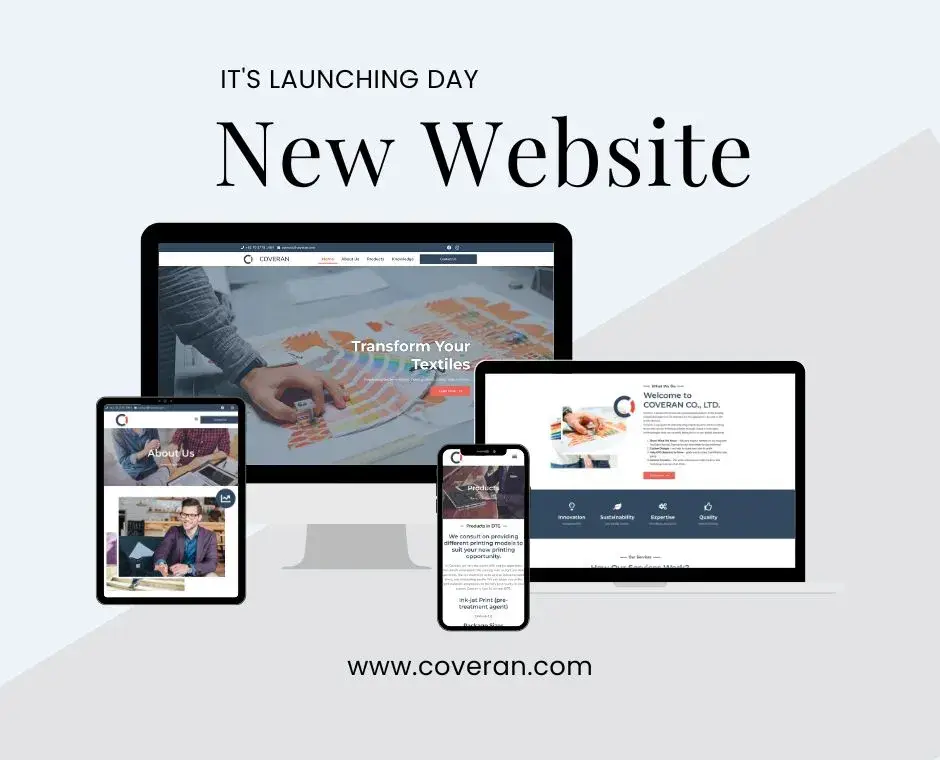
Company context, technical product information and contact routes serve different stages of business research. The saved artwork shows desktop business presentation and smaller-screen product content.
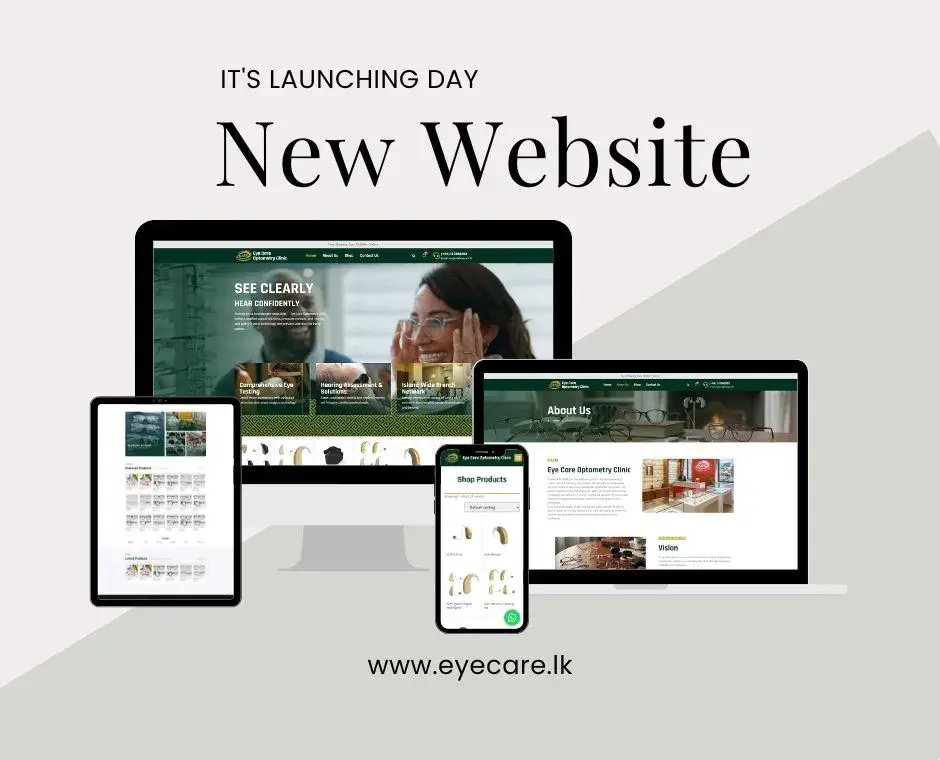
The saved artwork separates care-service information from product browsing. Confirmed work includes catalogue/search, prices/promotions, cart, hosting, email and ongoing maintenance; cart functionality is distinct from a confirmed payment-gateway launch.
Questions / Answers
An existing site can be assessed first. Its code, licences, hosting and extension condition determine whether a focused change, migration or rebuild is appropriate.
Licence costs and ownership must be specified in the proposal. A demonstration or existing installation does not establish a transferable licence.
WooCommerce is a WordPress ecommerce option. Catalogue, checkout, payment and fulfilment work should be scoped through the Ecommerce Development service.
Send the current website or system context, the business goal and the required functions through the project enquiry. Scope, dependencies, timing and ownership can then be discussed before a proposal is agreed.
Related services
Use the category overview to compare the available service routes, or explore a related specialist page for its scope and responsibilities.
Websites & Digital Experience Website Design & Development Ecommerce Development Website Maintenance & Support SEO & AI Search Discuss Your Project


