


WEBSITES & DIGITAL EXPERIENCE
DeshTech helps businesses in Sri Lanka and internationally plan, build and improve their websites. Our website services cover design and development, WordPress, ecommerce, maintenance, and SEO & AI search. Whether you are launching your first business website or improving an established one, start with what your customers need to do and what your team needs to manage.
A useful website should explain your offer, make the next step clear and support the way your business works. We help turn those requirements into a practical project scope, with platform choices, content responsibilities and ongoing work discussed before development begins.
FIND YOUR STARTING POINT
You do not need to know which technology to request before speaking with us. Describe the business problem you want to solve.
A redesign may involve several of these services. We can identify which work belongs in the initial project and which should continue after launch.
Begin with website design and development to plan the structure, content and customer journey.
Explore WordPress development for a website with an editing approach suited to your staff.
Ecommerce development focuses on the catalogue, purchasing journey and day-to-day store operations.
Maintenance and support can begin with a review of its condition and existing responsibilities.
SEO & AI search starts with how your pages are accessed, understood and supported by useful content and evidence.
OUR WEBSITE SERVICES
BUILD · MANAGE · IMPROVE
Choose a service around what your business needs now, with a clear path for support and improvement after launch.
01
For businesses that need a new website or a substantial improvement to an existing one. Plan the pages around your services, audiences and enquiry goals, then develop the agreed experience for desktop and mobile visitors. The scope can include content structure, enquiry forms, integrations and migration requirements.
The starting point is your business and customer journey. Platform-specific implementation is considered after those requirements are clear.
Explore Website Design & Development02
For organisations that want a manageable publishing platform for service pages, resources and other website content. A WordPress project should consider how editors add content, which features need plugins or custom development, and who maintains the website after handover.
We discuss the editing workflow and technical requirements together, including existing content, third-party tools and any migration work. Plugin licences and ongoing care should be visible in the project scope.
Explore WordPress Development03
For businesses that need customers to browse products and place orders online. An online store needs more than a product grid: categories, variants, stock information, payments, delivery rules and customer communications must work together.
The scope should reflect how you actually sell and fulfil orders. Platform and integration choices depend on your market, catalogue and operations, including the availability of payment providers and the systems your team already uses.
Explore Ecommerce Development04
For businesses that need help looking after an existing website. Begin by identifying the platform, access arrangements, known issues and who is responsible for hosting, licences and backups.
An agreed support scope can distinguish updates, troubleshooting and routine content changes from larger development projects. Coverage, backup arrangements and response expectations belong in the maintenance agreement so your team knows how to request help.
Explore Website Maintenance & Support05
For businesses that want their website to be easier to discover and understand through search. The work can include technical diagnosis, page structure, content planning, internal links and clearer information about your business and experience.
AI-search preparation shares these foundations: accessible pages, accurate answers and credible supporting material. We distinguish implementation work from ongoing content and measurement. Rankings, indexing and recommendations by search or AI platforms cannot be guaranteed.
Explore SEO & AI SearchTHE WEBSITE LIFECYCLE
Website development, maintenance and search improvement have different responsibilities. Understanding the difference makes it easier to plan your budget and avoid gaps.
These activities can be planned together while remaining clear in the quotation and handover.
define the pages, features and content; create the agreed experience; prepare the website for release. If an existing site is being replaced, include important URLs, content and integrations in the migration plan.
look after the agreed technical and content needs of the website over time. The maintenance agreement should explain supported systems, update and backup responsibilities, support coverage and exclusions.
review useful business and search data, address missing information and develop content from real customer questions and project experience. This is ongoing work with priorities that can change as evidence becomes available.
PLATFORM DECISIONS
The best platform depends on your content, features, operational needs and ability to maintain it.
These are decision guides, not a promise that every platform or integration is included in our standard website service. We confirm the proposed technology and supported scope before work begins.
may suit a service-led business or organisation that publishes and updates content regularly. Consider the editing experience, plugin dependencies, hosting and maintenance requirements.
may suit a store whose requirements fit its supported features and integrations. Consider subscriptions, apps, payment availability, transaction-related costs and platform limits before committing.
may be worth assessing when commerce needs to sit within a WordPress website. Consider the extensions, hosting, updates and operational support needed for the actual store.
may be appropriate when a business workflow cannot be handled well by a conventional website platform. It needs a separate discussion about users, data, integrations, security and long-term support.
SELECTED WEBSITE WORK
See website projects from DeshTech’s portfolio, including the delivered presentation across desktop and mobile screens.
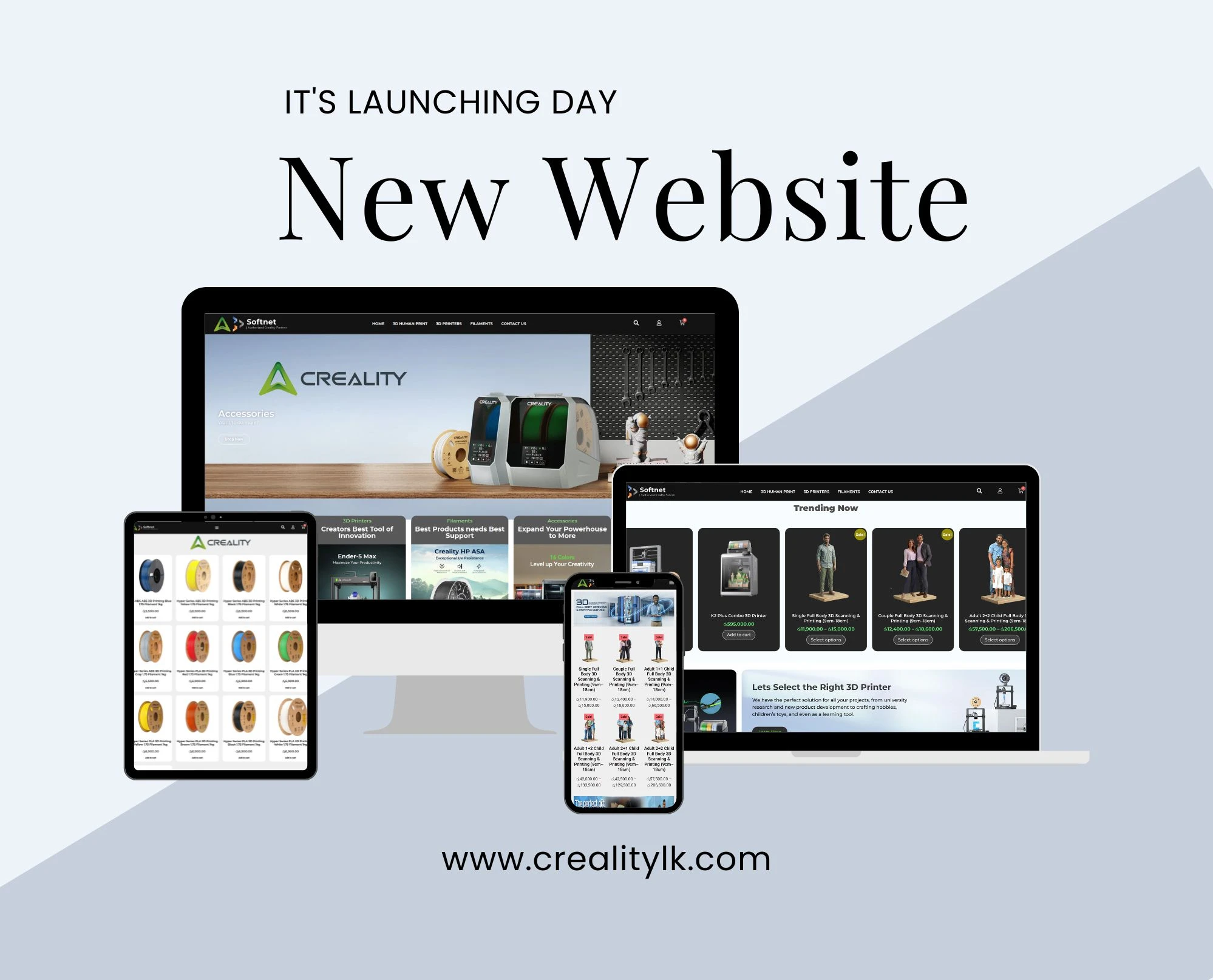
A website project for the Creality Sri Lanka retail presence. The portfolio artwork shows product browsing across different screen sizes. Softnet branding is retained in the original artwork.
View Creality Project
A website project for Ape Miss. The portfolio artwork shows service information and the website experience across desktop, tablet and mobile.
View Ape Miss ProjectHistorical work: iCoME 2022 and 2023. Archived conference websites from the Open University of Sri Lanka credit DeshTech Solutions for design. See the 2022 archive and 2023 archive. This attribution concerns those editions, not the current 2026 website.
Explore Our WorkQUALITY & HANDOVER
A project scope should explain what quality means for your website, rather than rely on broad promises.
The applicable checks and deliverables should be written into your project scope. A website build alone does not include unlimited support, a formal compliance certification or guaranteed search performance.
layouts and navigation that account for smaller screens, readable text and usable controls.
meaningful headings, descriptive links, image alternatives and forms people can understand. Any formal accessibility target needs an agreed assessment scope.
sensible image, font and script choices, with attention to the hosting and third-party features that affect loading.
purposeful page titles and headings, internal links, indexability and URL handling appropriate to the release.
agreed contact routes and form behaviour, including how submissions reach the right person.
clarity about accounts, editing, licences and ongoing responsibilities.
HOW A PROJECT TAKES SHAPE
Share your services, audience, current website and the actions customers should take. Identify the content and systems that must be retained.
Define pages, features, platform, integrations, responsibilities and review stages. Decide whether copywriting, photography, migration or ongoing support is part of the engagement.
Organise the required content and develop the agreed website. Review the work against the brief and record changes that affect cost or timing.
Work through the agreed content, device, enquiry and migration checks. Establish who controls the domain, hosting and other accounts needed for launch.
Confirm how your team will update the website and how future support will be requested. Set separate priorities for maintenance and further improvements.
SCOPE & INVESTMENT
The number of pages matters, but it is only one part of the scope. A small site with complex integrations may involve more work than a larger content-led website.
Key factors include content preparation, design requirements, product data, custom features, third-party integrations, migration, review rounds and launch dependencies. Translation, professional photography and substantial copywriting can also affect the work required.
Recurring costs may include domain renewal, hosting, platform subscriptions, paid plugins or apps, and ongoing support. These should be distinguished from the initial build cost.
For a useful estimate, send your current website, an outline of required pages and features, available content and intended launch date. We can then discuss a scope based on your requirements instead of presenting an unsupported fixed price or universal delivery promise.
ABOUT DESHTECH
DeshTech began in 2017, registered as a business in 2019 and incorporated as a private limited company in 2025. Our website work includes Sri Lankan and international businesses, with project examples being documented to show the relevant period and contribution.
For a remote engagement, agree the project contact, communication channels, review schedule and access arrangements at the start. These practical details help keep decisions and responsibilities clear across locations.
Learn About DeshTechCOMMON QUESTIONS
Start with the outcome you need. A new business website usually begins with design and development; an online shop needs ecommerce planning. If your website already exists, a review can help distinguish maintenance needs, redevelopment and search improvements.
Sometimes. The decision depends on its structure, platform, content, access and technical condition. A review should identify what can be retained and whether a rebuild would introduce migration or integration work.
Not necessarily. WordPress is one option. Your editing needs, features, budget, integrations and maintenance responsibilities should guide the choice rather than selecting a platform before the requirements are understood.
Agree this before the project starts. The scope should identify the account holder for the domain, hosting and paid services, what access you receive, and any third-party licence or platform restrictions. Do not assume that every asset or subscription has the same ownership terms.
The build scope should identify its search foundations, such as page structure and release settings. Ongoing research, content creation, technical improvements and reporting are separate activities unless expressly included in the agreement.
No. Search engines and AI platforms decide what they display. The work should focus on a technically accessible website, useful information, credible evidence and measurement against agreed business goals.
Share your business name, existing website if you have one, target customers, required features and intended launch timing. Mention whether you already have the text, images and product information, and whether there are systems that the website must connect to.
NEXT STEP
Tell us what your business does, what your current website is missing and what you want customers to do next. We will use that brief to discuss the appropriate website service and the information needed to scope it.
Discuss Your Project
